
How Novocare’s Modular Operation Theaters Ensure Safe and Efficient Surgeries

Laparoscopic Surgeries at Novocare Hospital: Minimally Invasive, Maximum Benefits
September 12, 2025
What to Expect from ENT Surgeries at Novocare Hospital
September 12, 2025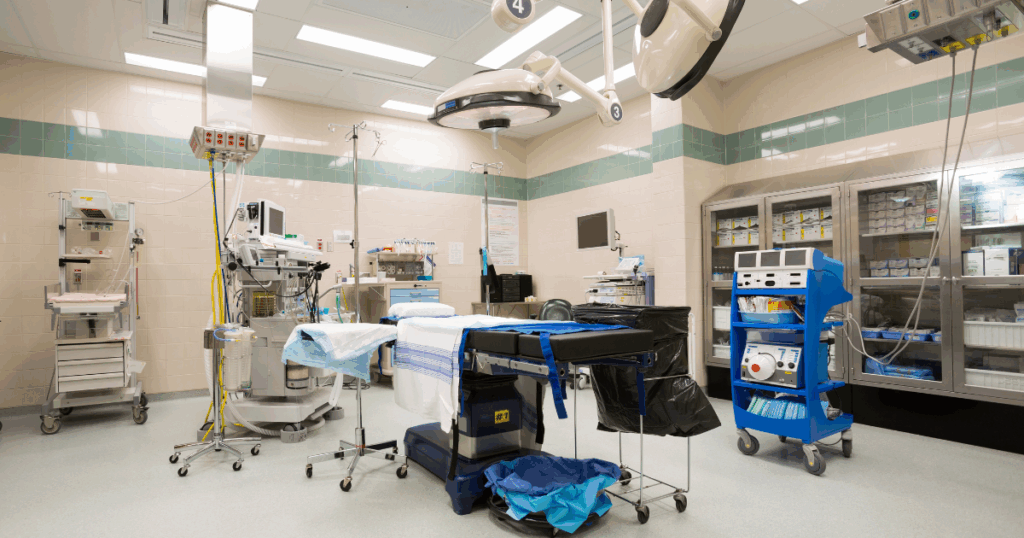
Introduction
In modern healthcare, the safety and efficiency of surgeries are as crucial as the skill of the surgeon. Traditional operating rooms, while functional, have limitations including long construction time, high infection risk, and difficulty in integrating new technologies. Modular Operation Theaters (MOTs) represent a revolutionary solution, offering a sterile, efficient, and adaptable environment for surgical procedures.
Novocare Hospital has embraced this innovation, investing in state-of-the-art modular OTs to provide patients with high-quality surgical care. These theaters combine advanced engineering, hygienic design, and cutting-edge technology to enhance patient outcomes and streamline surgical workflows.
This comprehensive article explores the features, benefits, design, and impact of Novocare’s modular OTs, demonstrating why they are essential for safe and efficient surgeries.
1. What Are Modular Operation Theaters?
Modular Operation Theaters are prefabricated, high-tech surgical suites built using standardized, pre-engineered components. Unlike conventional operating rooms constructed on-site, modular OTs are designed for rapid deployment, flexibility, and compliance with international healthcare standards.
Key Characteristics of Modular OTs
- Customizable Design: Rooms can be tailored for different surgical specialties, including general surgery, cardiology, gynecology, and orthopedics.
- Rapid Installation: Prefabricated units reduce construction time from months to weeks.
- Advanced Sterility Controls: Incorporates laminar airflow systems and antimicrobial surfaces to minimize infection risk.
- Integration of Technology: Designed to accommodate modern surgical equipment, imaging systems, and monitoring tools.
- Scalability: Easy expansion or reconfiguration to meet growing patient demand or new procedures.
2. Features of Novocare’s Modular Operation Theaters
Novocare’s MOTs are engineered to meet the highest standards of surgical care, combining design innovation with patient safety and operational efficiency.
2.1 Advanced Air Filtration Systems
A critical aspect of infection control is air quality. Novocare’s modular OTs feature:
- Class 100 Laminar Airflow Systems: Ensures a continuous flow of sterilized air over the surgical field.
- HEPA Filters: Remove 99.97% of airborne particles, including bacteria and dust.
- Positive Pressure Design: Prevents contamination from adjacent areas.
Benefits: Minimizes surgical site infections (SSIs) and ensures a sterile environment for complex procedures.
2.2 Antimicrobial and Easy-to-Clean Surfaces
- Antimicrobial Coatings: All walls, floors, and ceilings are treated to prevent bacterial growth.
- Seamless Panels: Reduce corners and joints where pathogens can accumulate.
- Durable Materials: Withstand repeated cleaning with disinfectants without damage.
Result: Lower risk of contamination and enhanced infection control.
2.3 Ergonomic Layout and Equipment Integration
Novocare’s MOTs are designed for efficiency:
- Ceiling-mounted booms keep equipment off the floor, reducing clutter.
- LED surgical lights provide optimal illumination with minimal heat.
- Integrated imaging systems (X-ray, C-arm, endoscopy) allow real-time visualization.
- Modular walls and ports facilitate future upgrades without structural modifications.
Outcome: Smooth workflow, reduced procedure time, and improved patient outcomes.
2.4 Advanced Patient Monitoring and Safety Features
- State-of-the-art monitoring devices track vital signs, oxygen levels, and anesthesia depth.
- Automated alarm systems alert staff to deviations in patient condition.
- Backup power and gas supply ensure uninterrupted surgery.
Benefit: Enhanced patient safety during complex and prolonged procedures.
3. Benefits of Modular Operation Theaters at Novocare
Modular OTs provide advantages over traditional surgical suites in four key areas: safety, efficiency, adaptability, and cost-effectiveness.
3.1 Enhanced Safety
- Sterile Environment: Laminar airflow and antimicrobial surfaces reduce infection risk.
- Optimized Layout: Prevents cross-contamination between surgical zones.
- Integrated Monitoring: Continuous patient monitoring ensures rapid response to complications.
Supporting Data: Studies show that modular OTs can reduce SSIs by up to 50% compared to conventional operating rooms (source).
3.2 Operational Efficiency
- Reduced Procedure Time: Ergonomic design ensures that surgical teams can access equipment easily.
- Rapid Turnover: Modular OTs facilitate faster cleaning and setup for consecutive surgeries.
- Streamlined Workflows: Equipment and supplies are integrated, minimizing delays.
Outcome: Higher surgical throughput without compromising patient care.
3.3 Flexibility and Scalability
- Specialty Customization: OTs can be reconfigured for cardiac, orthopedic, laparoscopic, or neurosurgical procedures.
- Expandable Units: Additional rooms can be added as hospital demand grows.
- Future-Proofing: Modular design accommodates new technologies without major construction.
3.4 Cost-Effectiveness
- Reduced Construction Time: Faster installation lowers labor costs.
- Lower Maintenance: Durable surfaces and integrated systems require less frequent repairs.
- Long-Term Investment: High efficiency and patient safety lead to reduced complications and hospital stay costs.
Table: Modular OT vs. Conventional OT
| Feature | Conventional OT | Modular OT |
|---|---|---|
| Construction Time | 6–12 months | 4–8 weeks |
| Infection Control | Moderate | High |
| Equipment Integration | Limited | Fully Integrated |
| Flexibility | Low | High |
| Maintenance | Frequent | Minimal |
| Patient Safety | Standard | Enhanced |
4. Case Studies: Success Stories at Novocare
Case Study 1: Emergency Trauma Surgery
When a series of accident victims arrived simultaneously, Novocare leveraged its modular OT capabilities to rapidly prepare an additional theater. Patients received timely care, reducing the risk of complications and improving survival rates.
Case Study 2: Specialized Laparoscopic Procedures
Novocare’s MOTs were customized for minimally invasive surgeries, allowing surgeons to perform laparoscopic gallbladder and hernia repairs with precision. Recovery times were significantly reduced compared to traditional setups.
Case Study 3: Pediatric Surgical Expansion
To accommodate an increase in pediatric surgical cases, Novocare expanded its modular OT infrastructure. Specialized equipment and child-friendly layouts ensured safe and efficient care for young patients.
5. Infection Control Protocols in Modular OTs
Novocare emphasizes strict infection control in all modular theaters:
- Pre-surgery sterilization of all instruments and surfaces.
- Use of disposable surgical drapes and gowns.
- Regular air quality monitoring and HEPA filter maintenance.
- Staff adherence to hand hygiene and PPE protocols.
Result: Significantly lower incidence of postoperative infections and complications.
6. Patient-Centered Design
- Comfortable Environment: Temperature and humidity controlled for patient comfort.
- Visual and Acoustic Management: Noise reduction and optimal lighting improve focus and reduce stress for surgical teams.
- Easy Accessibility: Design ensures smooth patient transfer from pre-op to recovery units.
Impact: Improves overall patient experience and satisfaction.
7. Frequently Asked Questions (FAQs)
Q1: How long does it take to build a modular OT at Novocare?
A1: Prefabrication allows installation in 4–8 weeks, compared to several months for conventional construction.
Q2: Are modular OTs as safe as traditional operating rooms?
A2: Yes. Novocare’s modular OTs meet international standards for sterility, equipment, and patient safety.
Q3: Can modular OTs be used for all surgical specialties?
A3: Yes, they can be customized for general surgery, orthopedic, neurosurgery, gynecology, cardiology, and pediatric procedures.
Q4: Do modular OTs reduce infection risk?
A4: Absolutely. Advanced laminar airflow, antimicrobial surfaces, and strict sterilization protocols minimize infection risk.
Q5: Can the theaters be expanded in the future?
A5: Yes. Modular design allows scalability and reconfiguration for future healthcare needs.
Q6: How do modular OTs improve surgical efficiency?
A6: Ergonomic layouts, integrated equipment, and streamlined workflows reduce procedure time and allow faster patient turnover.
Q7: Are these theaters cost-effective for hospitals?
A7: While initial investment may be high, reduced construction time, low maintenance, and improved efficiency make them a long-term cost-effective solution.
Q8: How does Novocare ensure equipment integration?
A8: All instruments, imaging systems, and monitoring devices are incorporated into the OT design for seamless functionality.
Q9: Do patients notice a difference in care quality?
A9: Yes. Shorter surgery times, faster recovery, and reduced complications enhance patient experience.
Q10: Are modular OTs environmentally friendly?
A10: Yes. Prefabrication reduces construction waste, and energy-efficient systems lower operational impact.
8. Preparing for Surgery in a Modular OT
- Preoperative Assessment: Blood tests, imaging, and medical history review.
- Patient Education: Novocare staff explain procedures, anesthesia, and recovery expectations.
- Fasting and Medication Management: Specific instructions provided before surgery.
- Arrival and Setup: Patients are transferred to the modular OT with minimal waiting time.
- Post-Operative Monitoring: Patients recover in monitored units connected to the modular OT system.
9. Future of Modular Operation Theaters
With advancing technology and rising demand for efficient surgical facilities, modular OTs are poised to become the standard for modern hospitals. Future trends include:
- Robotic-assisted modular OTs for precision surgery
- Integration with AI systems for predictive analytics and patient monitoring
- Sustainable design with energy-efficient and eco-friendly materials
- Telemedicine compatibility for remote surgical guidance and training
Novocare Hospital continues to invest in these innovations to maintain its leadership in patient safety, surgical efficiency, and high-quality care.
Conclusion
Novocare’s Modular Operation Theaters exemplify the future of surgical care, combining innovation, safety, efficiency, and patient-centered design. Key advantages include:
- Sterile and controlled environment
- Enhanced patient safety and reduced infections
- Operational efficiency and reduced surgery times
- Scalability and adaptability to future needs
- Integration with advanced surgical equipment
For patients and healthcare providers alike, modular OTs offer maximum benefits with minimal risk. By adopting modular surgical suites, Novocare ensures that every procedure is conducted in a safe, efficient, and technologically advanced environment, setting new standards for surgical excellence.
Investing in modular operation theaters is not just about infrastructure—it’s about transforming patient care, surgical safety, and healthcare efficiency.
